葵花籽油 · Sunflower Oil Press process guide for hydraulic pressing
Align pretreatment, pressing route, and oil quality expectations before comparing press sizes.
Sunflower processing becomes much clearer when the guide explains whole seed versus kernel routes, conditioning, pressing, and clarification as one system.
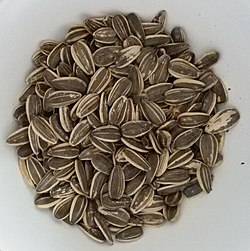
Hulls are 20–30% of seed weight — dehulling defines the route
Whole-seed pressing is simpler but produces darker oil with more wax. Kernel pressing (after dehulling to ~8% residual hull) yields lighter, cleaner oil. The dehulling target must be decided before the press is sized.
Dewaxing is required for clear retail sunflower oil
Sunflower oil contains 600–1200 ppm natural wax that causes cloudiness at room temperature. Winterization (cooling to 5–8 °C, holding 24–48 h, then filtering) is mandatory for bottled retail oil. sunflower oil line team supplies Dewaxing Equipment for this step.
Hot press on 300/325 or cold press on 355–500
Standard sunflower is hot-pressed (300/325 series, 100 kg/barrel, 30–40 min/barrel). Premium cold-pressed sunflower uses the 355–500 series (2 h/barrel). High-oleic varieties suit cold pressing; regular linoleic varieties are usually hot-pressed.
High-oleic vs regular linoleic — two different products
High-oleic sunflower (>80% oleic acid) is a premium frying oil with 12–18 month shelf life. Regular linoleic sunflower (~65% linoleic) is a commodity cooking oil. The variety determines route, pricing, and packaging.
Process map
From raw material to crude oil
The press is one node inside a seed-specific process. When upstream prep is weak, downstream yield and filtration become unpredictable.
Clean seed and dehull to ≤8% residual hull (for kernel route)
Vibrating screen + destoner + disc huller + aspirator. Whole-seed route skips hulling but accepts darker oil and higher wax. Kernel route targets ≤8% hull for lighter color and easier dewaxing downstream.
Cook/condition (hot route) or crush at ambient (cold route)
Hot route: steam-jacketed cooker at 100–110 °C for standard linoleic sunflower. Cold route: gentle roller crushing at ambient for high-oleic premium. The variety and market tier determine which path.
Press: 300/325 hot (30–40 min) or 355–500 cold (~2 h) per barrel
Both routes use 100 kg/barrel. Hot press: 1.5 h per 2 barrels with loading. Cold press: 4.5 h per 2 barrels. Residual oil ≤5%. Calculate shift output from these cycles.
Dewax: cool to 5–8 °C, hold 24–48 h, filter-press
Crude sunflower oil contains 600–1200 ppm wax. Winterization crystallizes the wax; filter pressing removes it. This step is mandatory for any retail-bottled sunflower oil. sunflower oil line team supplies the dewaxing section.
Refine (if needed) and bottle or transfer to bulk storage
Standard route: degum + neutralize + bleach + deodorize for RBD sunflower oil. Premium cold-pressed: skip heavy refining, but still dewax and polish-filter. Bottling uses the matching sunflower filling section.
Control points
Variables that matter before pressure is applied
Whole seed versus kernel is a major decision
Some sunflower buyers start with cleaned whole seed, while others need better kernel preparation for premium oil quality. Dehulling strategy, feed cleanliness, and storage condition all affect press behavior and final oil appearance.
Sunflower route should match the product lane
A kernel-focused cold line supports a stronger premium position, while broader commercial lines may accept a different preparation level. The right configuration depends on the oil market, not on a single universal recipe.
Operator checkpoints
Batch-to-batch consistency comes from material grading, stable moisture, and a clear rule for when to recondition instead of forcing a cycle.
Quality discipline
Practical checkpoints before you promise oil quality
- Dewaxing is not optional for retail sunflower oil. Cloudy bottles are the #1 consumer complaint. Size the winterization tank for 24–48 h hold time at 5–8 °C.
- Hull content directly controls crude-oil color and wax load. Kernel pressing (≤8% hull) produces lighter oil that dewaxes faster. Whole-seed pressing is cheaper but produces darker, waxier crude.
- High-oleic and regular linoleic sunflower are different products. Do not mix them on the same line without a changeover and tank-flushing protocol.
- Hot-press cycle is 30-40 min/barrel; cold-press is about 2 h/barrel. Plan shift output from these numbers, not from a brochure throughput claim.
- Sunflower cake (28–32% protein) and separated hulls both have market value. Define the by-product handling path before finalizing the plant layout.
Quote prep
Information that speeds up engineering discussion
- Whether the feed is whole sunflower seed, partially dehulled material, or prepared kernels.
- Target market and whether the product will be sold as cold pressed, premium, standard edible oil, or bulk crude oil.
- Desired output per shift and the expected level of clarification after pressing.
- Any requirement for downstream refining, bottling, or polished filtration through the wider sunflower oil line team network.
- Available floor space, storage tanks, and existing seed-cleaning equipment that may stay in use.
Questions to confirm next
Why does sunflower oil turn cloudy on the shelf?
Which press model fits sunflower?
Should I dehull sunflower before pressing?
Keep following the route
These next topics keep route, oil finish, and packaging aligned
Ready to size a line for your oilseed?
Share route, flavor target, oil appearance, and package direction. That helps us tell whether the fit is a machine phase, a polishing module, or a fuller product-ready line.